The European Commission has published draft guidance on the classification of “high-risk” AI systems under the EU AI Act, together with practical examples of systems that, in its view, would…
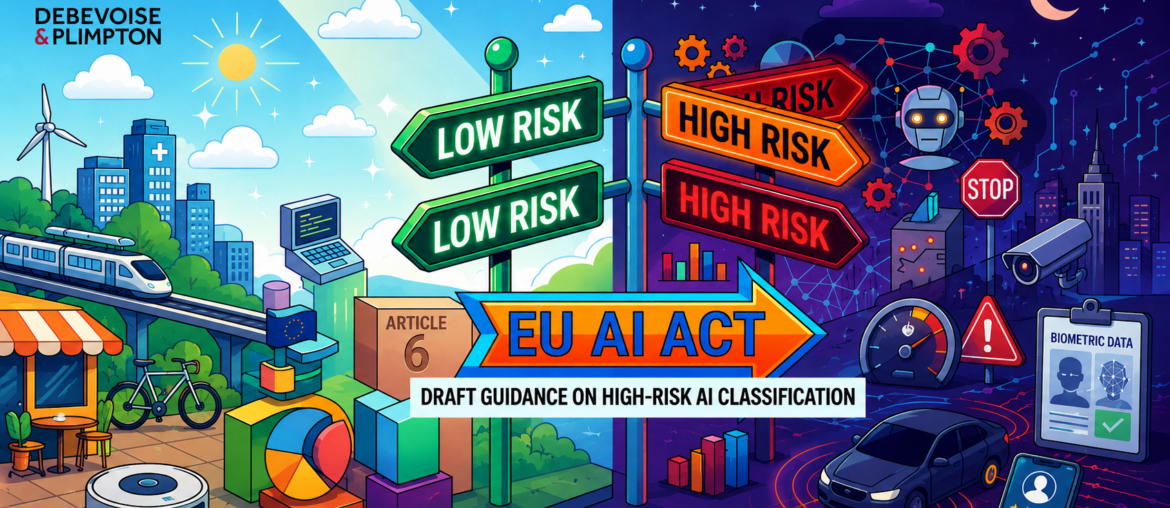

The European Commission has published draft guidance on the classification of “high-risk” AI systems under the EU AI Act, together with practical examples of systems that, in its view, would…

The Council of the EU and the European Parliament have reached an agreement on delays and amendments to the EU AI Act, as part of the EU’s ongoing digital simplification…

Cybersecurity incidents have become an ever-growing threat to companies as attacks become more sophisticated, particularly in the face of AI-enabled threat actors. When a cyberattack occurs, while the immediate focus…
This summer, the UK enacted the long-anticipated Data (Use and Access) Act 2025 (“DUAA”), the first major amendments to the UK’s data protection legislation since Brexit. The changes include substantial…

On 2 August 2025, the second wave of requirements under the EU AI Act (the “Act”) entered into force, following the first implementation phase six months ago. This latest set…

Ahead of the EU AI Act’s (the “Act”) General Purpose AI (“GPAI”) model requirements coming into force on 2 August 2025, EU authorities have released further guidance and Codes of…

The insurance industry has been an early adopter of AI systems, which are reshaping how insurers assess risk, underwrite policies, detect fraud, engage with customers, and conduct their internal business…

Our top-five European data protection developments from February are: European Commission publishes guidelines on prohibited AI practices: The EU Commission has published non-binding guidance on the EU AI Act’s prohibited…

South Korea has become the latest country to pass a national AI law. The “Basic Act on the Development of Artificial Intelligence and Establishment of Foundation for Trust” (the “Basic…

Our top five European data protection developments from January are: UK ransomware reporting proposals. The UK Government released a consultation on ransomware related legislative proposals, including possible reporting obligations and…