On April 17, 2026, the U.S. Attorney’s Office for the Eastern District of New York unsealed a 10-count indictment against Harish Chidambaran and Farhan Naqvi, the respective former CEO and…


On April 17, 2026, the U.S. Attorney’s Office for the Eastern District of New York unsealed a 10-count indictment against Harish Chidambaran and Farhan Naqvi, the respective former CEO and…

As artificial intelligence (“AI”) use and capabilities surged in 2024, we wrote about a new emerging risk for companies: AI whistleblowers. Two years later, in 2026, the current administration has…
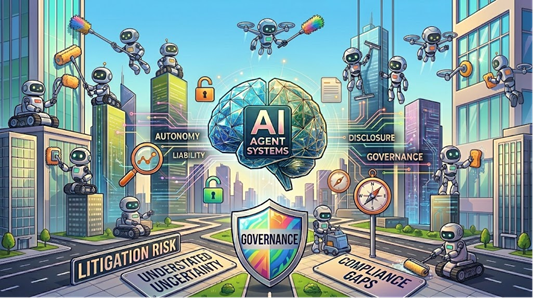
“AI washing” occurs when a company either overstates its use of artificial intelligence, or overstates what its AI systems can do. That risk is now taking a more specific and…

In a recent post, we argued that AI adoption could actually create more jobs for lawyers, pointing to radiology as a profession where rapid advances in AI have increased demand…
We are very proud to announce that Debevoise has been shortlisted for the Chambers USA Awards 2026 in the “Artificial Intelligence Firm of the Year” category, one of only six…

Debevoise & Plimpton LLP’s launch of STAAR 2.0, the latest version of the firm’s client-facing AI advisory platform, has been featured by Legaltech News (Law.com). STAAR 2.0 is built with Legora’s…
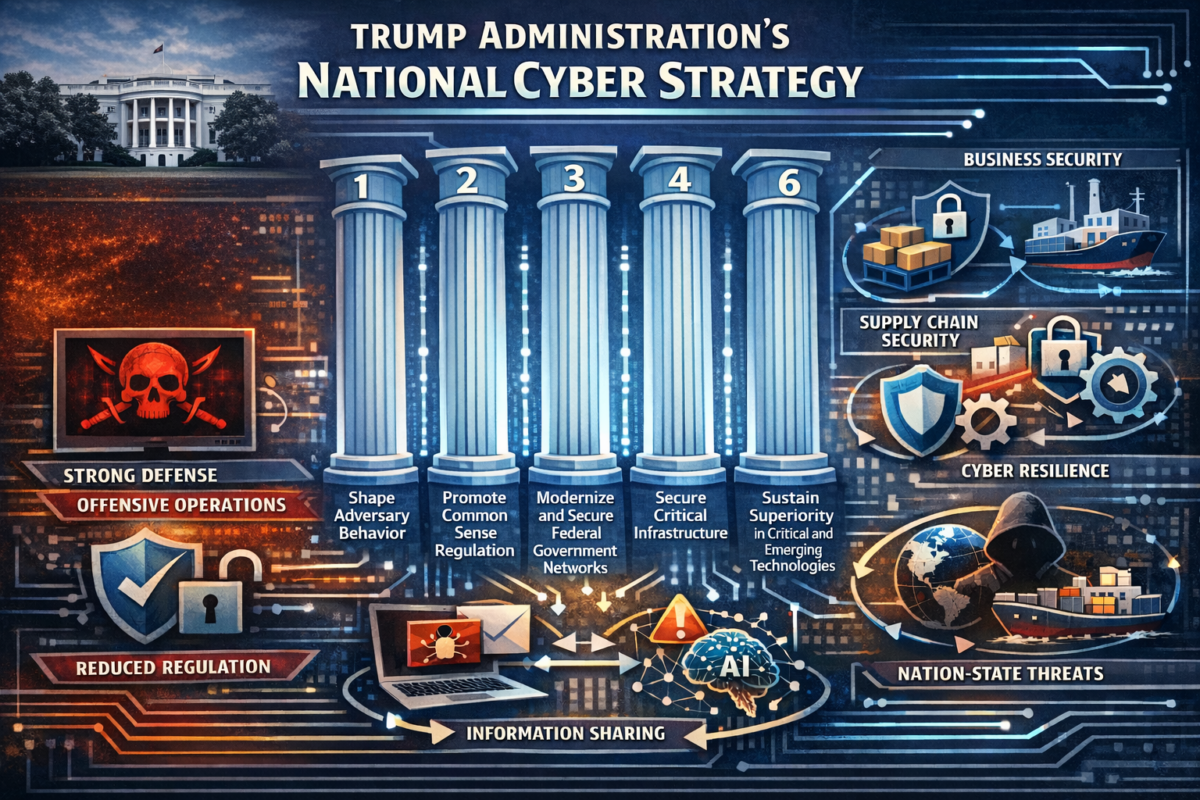
On March 6, 2026, the White House released President Trump’s Cyber Strategy for America (the “Strategy”), a directional statement of the Administration’s cybersecurity priorities. The Strategy signals an aggressive posture…

Debevoise & Plimpton LLP announced the launch of STAAR 2.0, an enhanced version of its award-winning[1] client-facing AI platform designed to help in-house legal and compliance teams evaluate, govern, and…
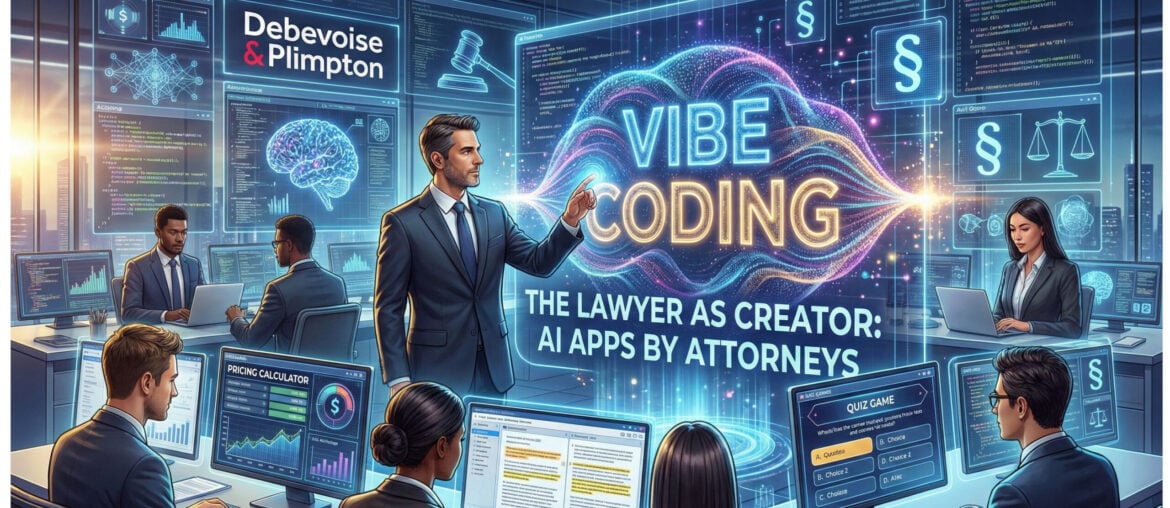
On February 19, 2026, Law360 published an article titled “Meet the Attys ‘Vibe Coding’ Their Own AI Apps,” which features two different AI apps created by Debevoise lawyers and technologists.…
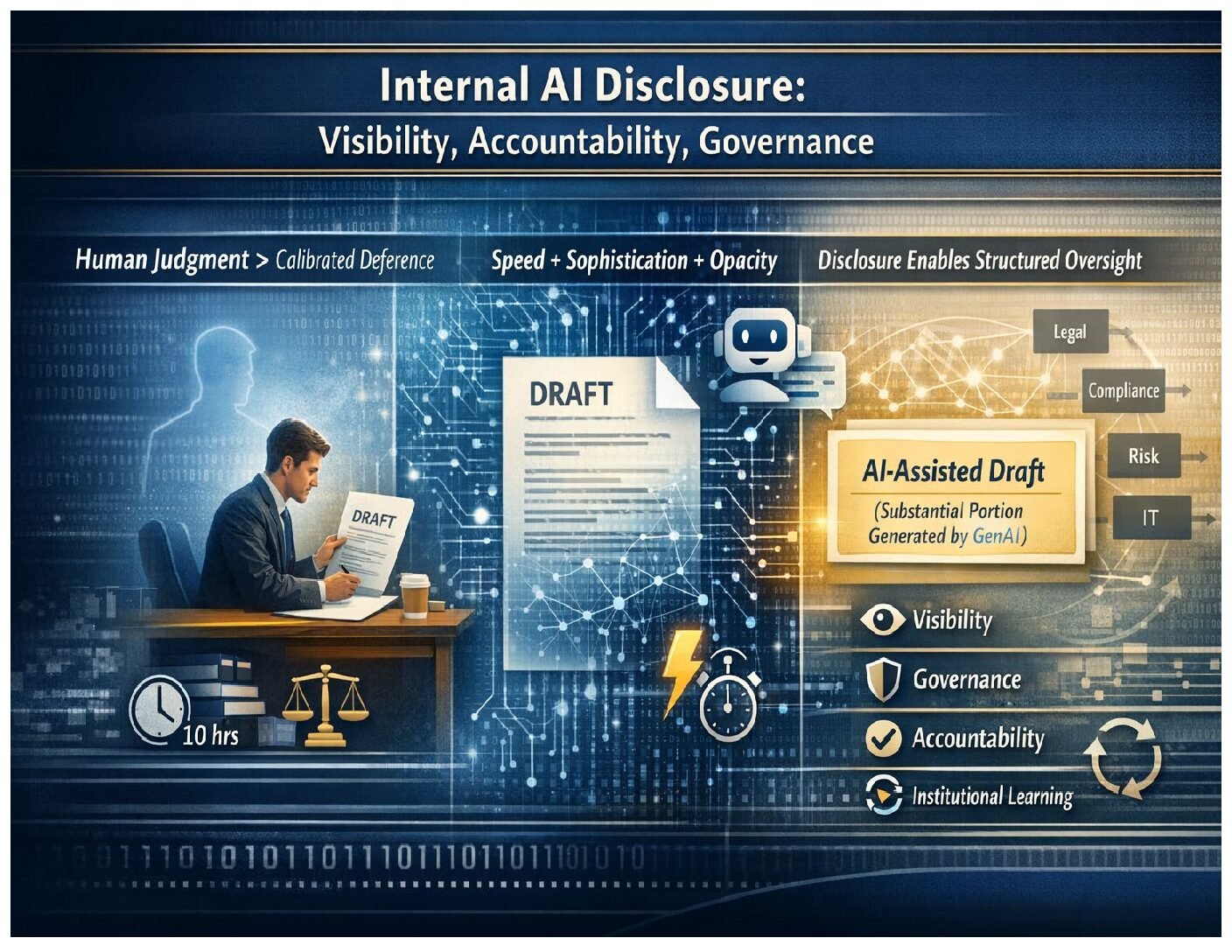
Most companies that allow generative AI (“GenAI”) in the workplace have a policy requiring users to check AI outputs to ensure that they are accurate, complete, and fit for purpose.…