Using AI to make important decisions about individuals carries a risk of bias, especially for underwriting, credit, employment, and educational admission decisions. In this Debevoise Data Blog post, we discuss…
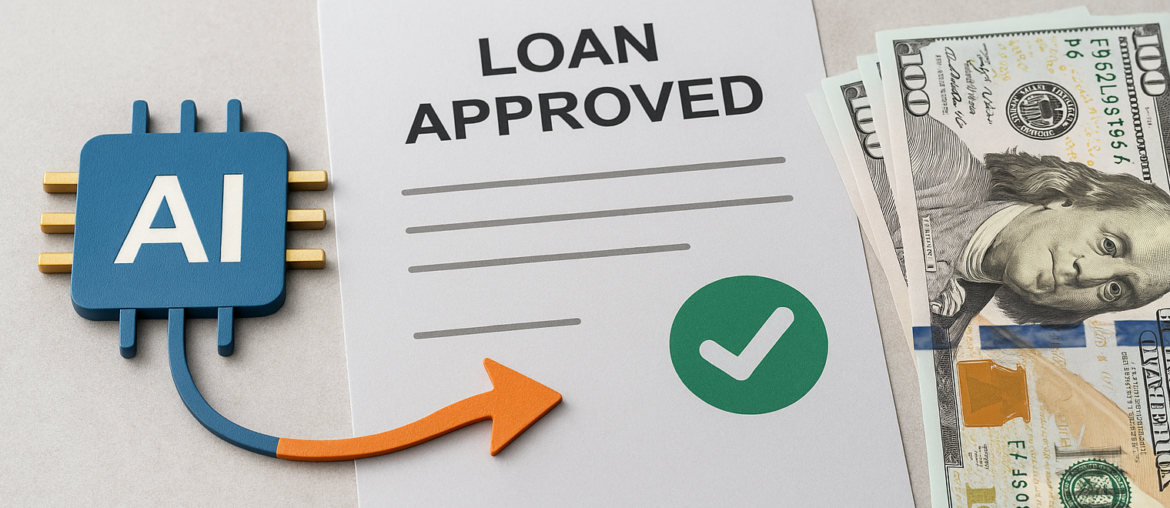

Using AI to make important decisions about individuals carries a risk of bias, especially for underwriting, credit, employment, and educational admission decisions. In this Debevoise Data Blog post, we discuss…

In a recent Debevoise Data Blog post, we provided a quick guide on selecting the appropriate OpenAI models offered through GPT Enterprise for various legal tasks (e.g., o3 for research, GPT-4.5…

Asset managers are increasingly incorporating AI into critical operations, such as investment, trading, valuation, reporting, and risk management, either through vendor solutions or in their own processes. As with any…

On July 2, 2025, Law.com’s Legaltech News published an article titled “Debevoise & Plimpton Is Building a New Model for Delivering AI Adoption Advice,” which discusses our Suite of Tools…

Allowing employees to use generative AI (“GenAI”) comes with significant risks—such as the loss of confidentiality over sensitive firm and client information, mistakes occurring in important documents or decisions, loss…

With federal preemption of AI regulation appearing unlikely, having been removed by a vote of U.S. senators in the negotiation over the federal budget bill, it is a good time…

Two years ago, we outlined how directors should think about oversight of AI-related risks. Since then, we have seen a steady increase in AI projects that sit squarely inside our…

Whether copyrighted works can be freely used to train generative artificial intelligence (“AI”) models is at the core of dozens of lawsuits filed since AI burst onto the scene several…

At Debevoise, we have access to a lot of generative AI (“GenAI”) models. We’ve found different models to be good at different tasks for legal practice, and model capabilities are…

President Trump issued an Executive Order on June 6, 2025, that sheds light on the Administration’s approach to cybersecurity and AI by highlighting foreign threats to U.S. cybersecurity, emphasizing federal…