AI is disrupting a core assumption for companies entering routine business agreements: that their counterparty is not, and will not become, a direct competitor. Although non-disclosure terms and data use…
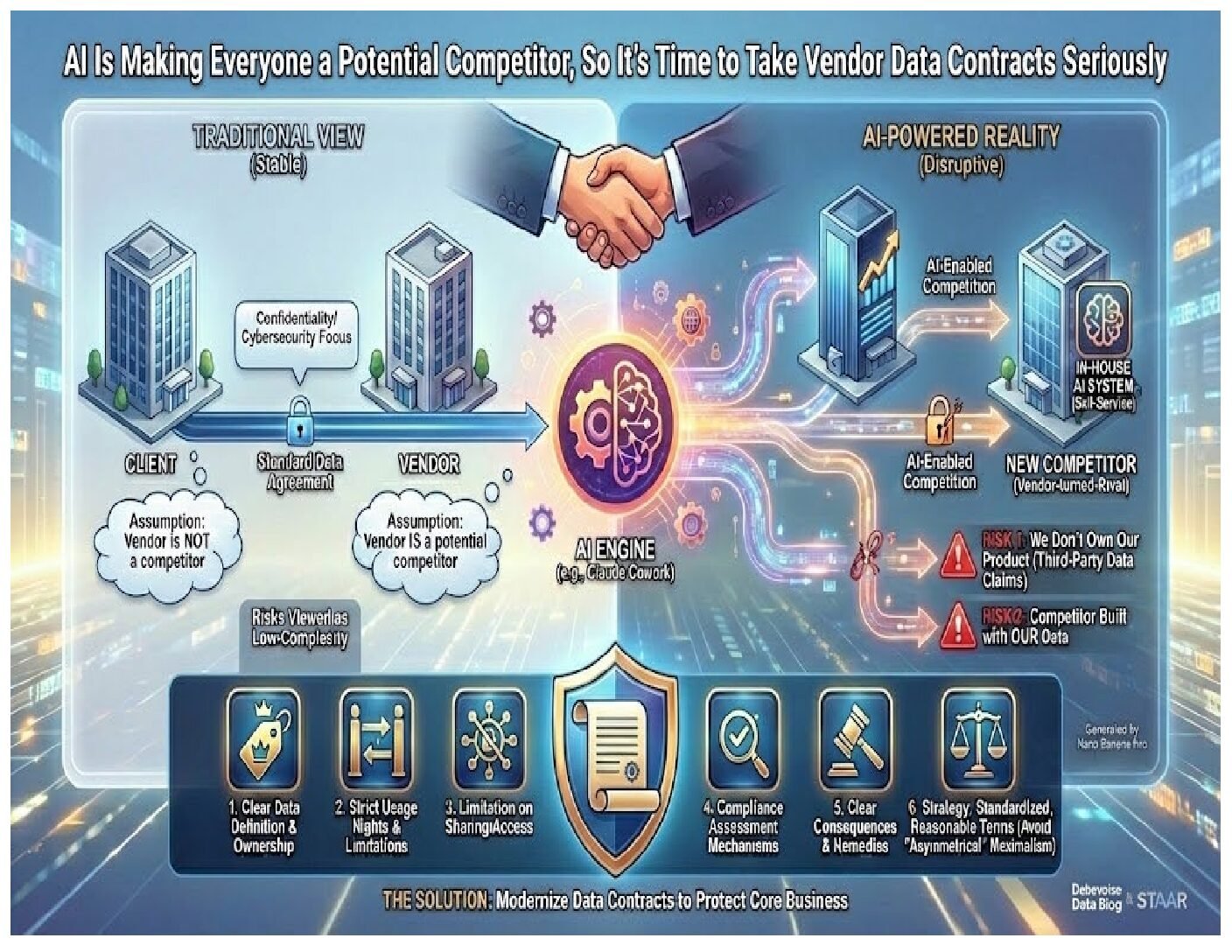

AI is disrupting a core assumption for companies entering routine business agreements: that their counterparty is not, and will not become, a direct competitor. Although non-disclosure terms and data use…
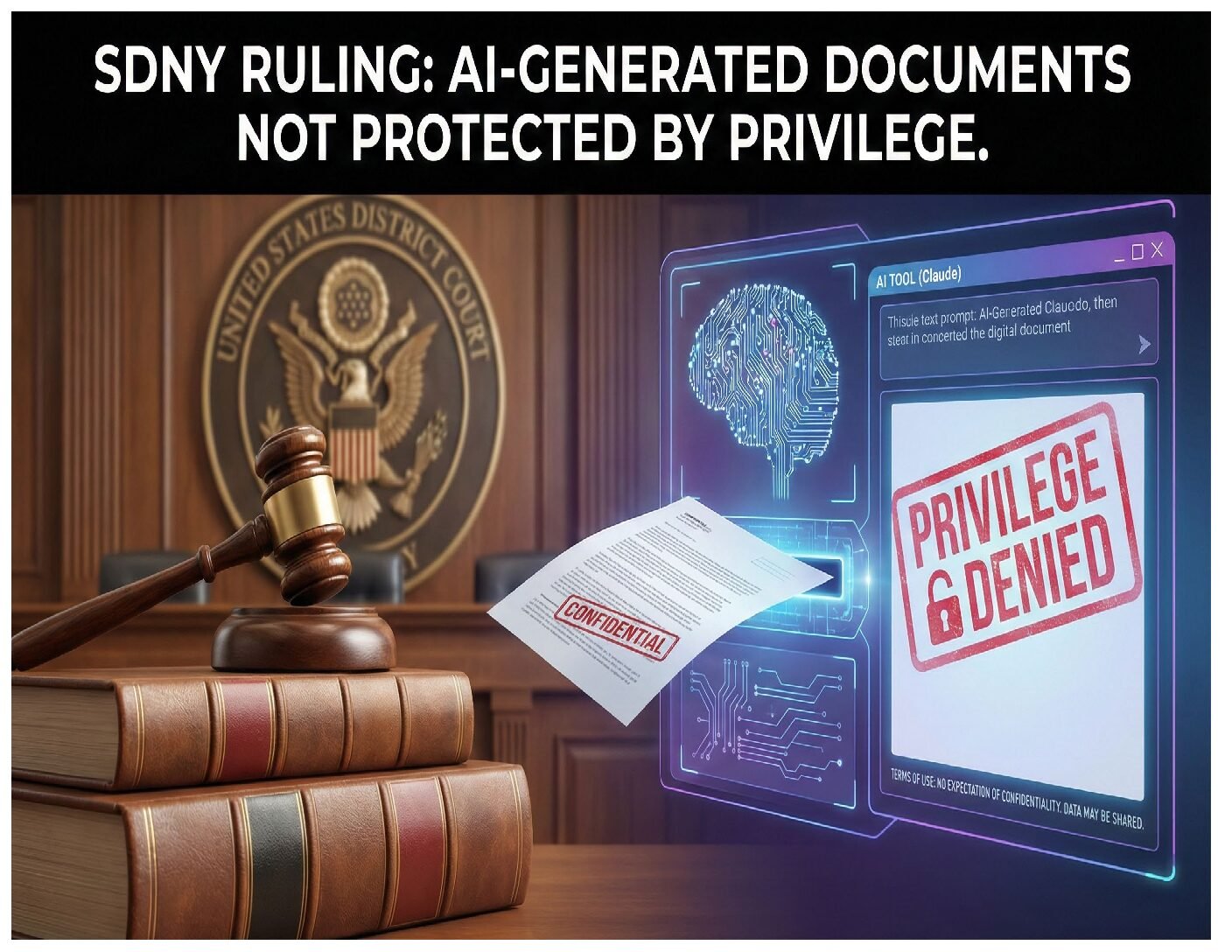
On February 10, 2026, Judge Rakoff of the U.S. District Court for the Southern District of New York ruled from the bench that documents a client created using a commercial…

In 2026, companies and individuals conduct many important transactions using images of objects or documents, rather than the original items themselves. For example, individuals authenticate themselves using photos of their…
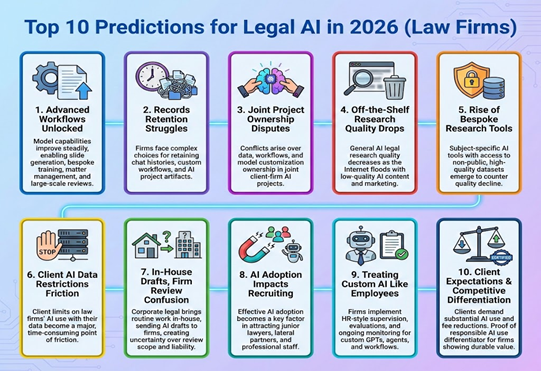
We are experimenting with a shorter format for more frequent blog posts. Let us know what you think. Here are our top 10 predictions for AI use by law firms…

As we look back on 2025, one theme that emerges from our work helping over 100 clients with their AI adoption is that extracting real value from AI takes a…
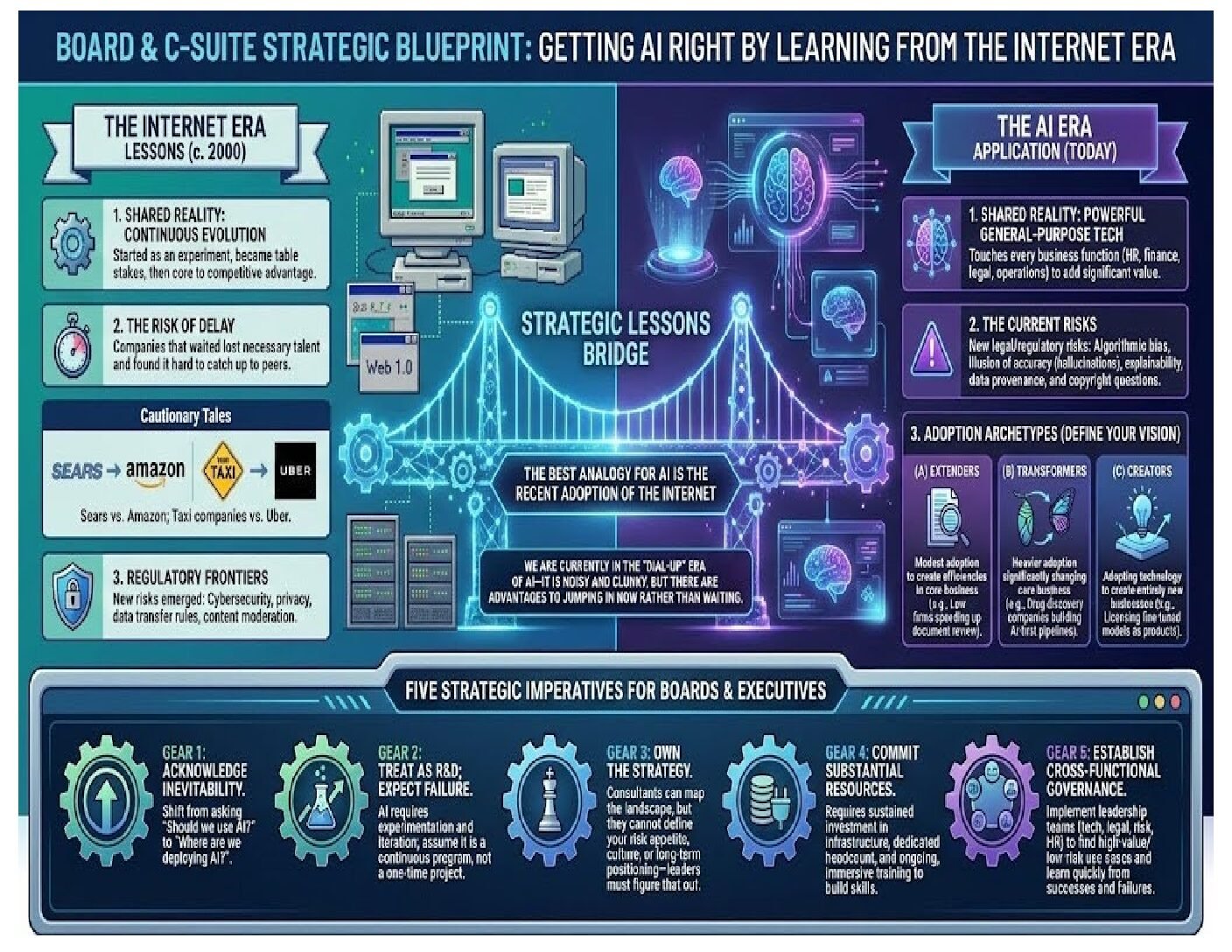
As boards and executives look for guidance on how best to adopt AI, comparisons to previous innovations are often used. But catchphrases like “AI is the new fire” or “it’s…

On December 9, 2025, FINRA released its 2026 FINRA Annual Regulatory Oversight Report (the “2026 Report”). The 2026 Report contains a standalone section on Generative AI (“GenAI”) that substantially expands…
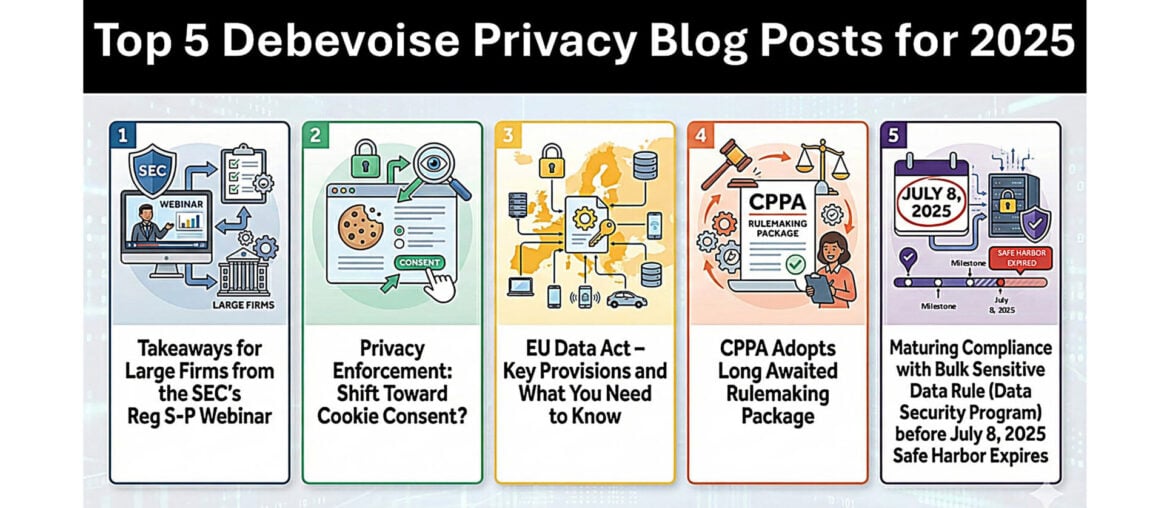
As we approach the end of the year, here are the top 5 privacy posts on the Debevoise Data Blog in 2025. Takeaways for Large Firms from the SEC’s Reg…
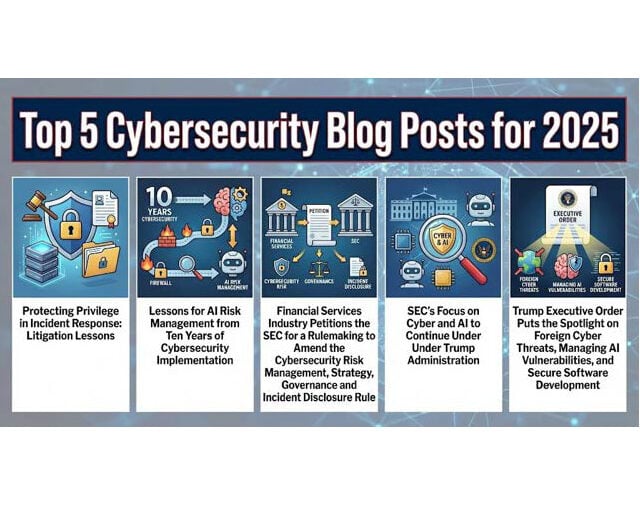
As we approach the end of the year, here are the Top 5 Cybersecurity posts on the Debevoise Data Blog in 2025. 1. Protecting Privilege in Incident Response: Litigation Lessons…

We are very proud to announce that on December 8, 2025, Debevoise won the Financial Times Innovative Lawyers North America Award for Innovation in New Legal Products. The Award was given to…