“AI washing” occurs when a company either overstates its use of artificial intelligence, or overstates what its AI systems can do. That risk is now taking a more specific and…
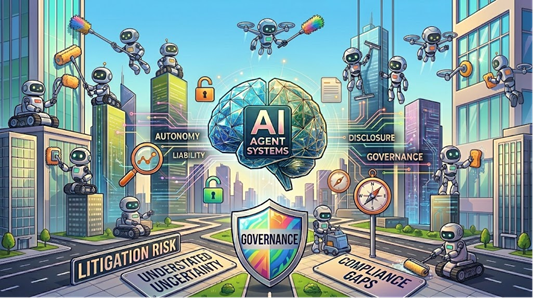
“AI washing” occurs when a company either overstates its use of artificial intelligence, or overstates what its AI systems can do. That risk is now taking a more specific and…

In a recent post, we argued that AI adoption could actually create more jobs for lawyers, pointing to radiology as a profession where rapid advances in AI have increased demand…
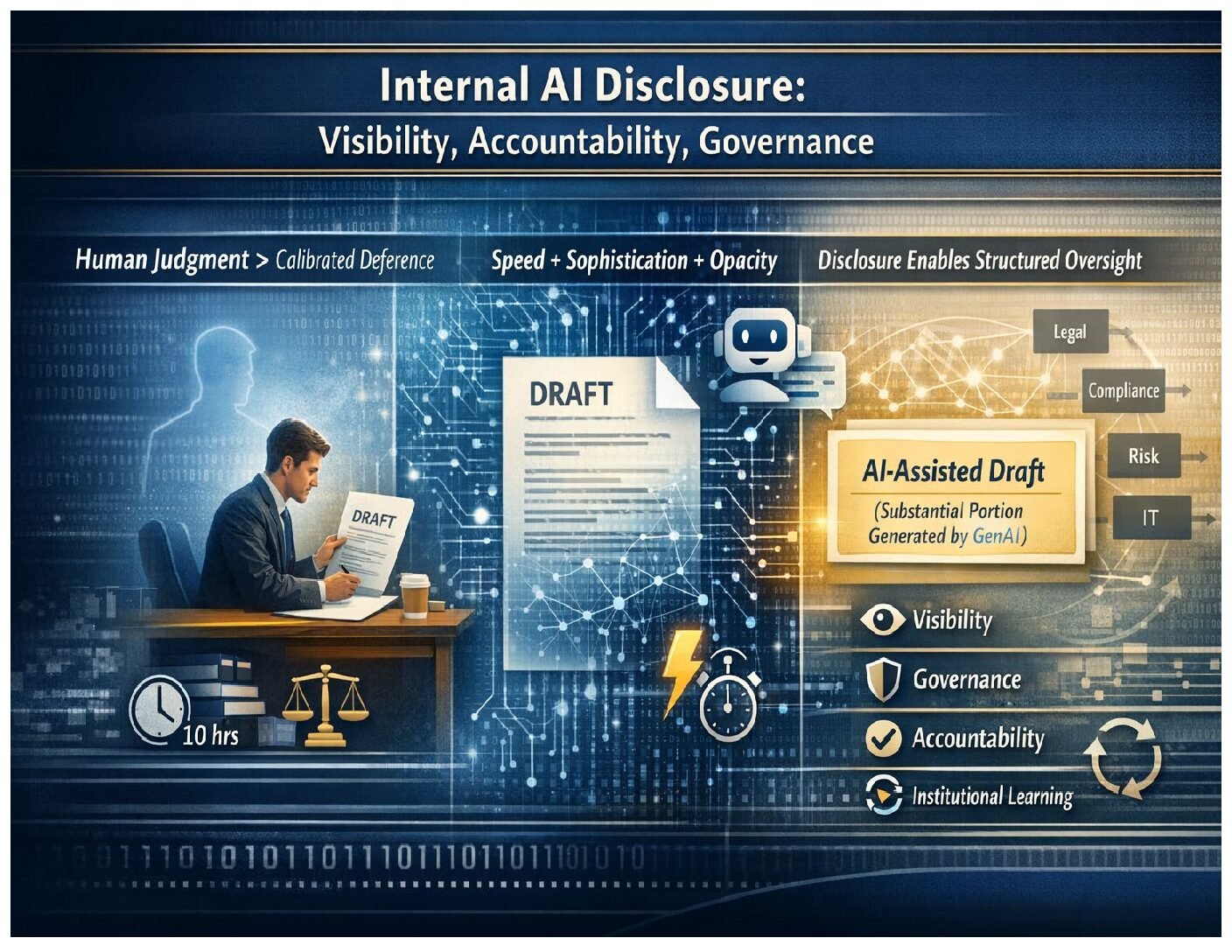
Most companies that allow generative AI (“GenAI”) in the workplace have a policy requiring users to check AI outputs to ensure that they are accurate, complete, and fit for purpose.…
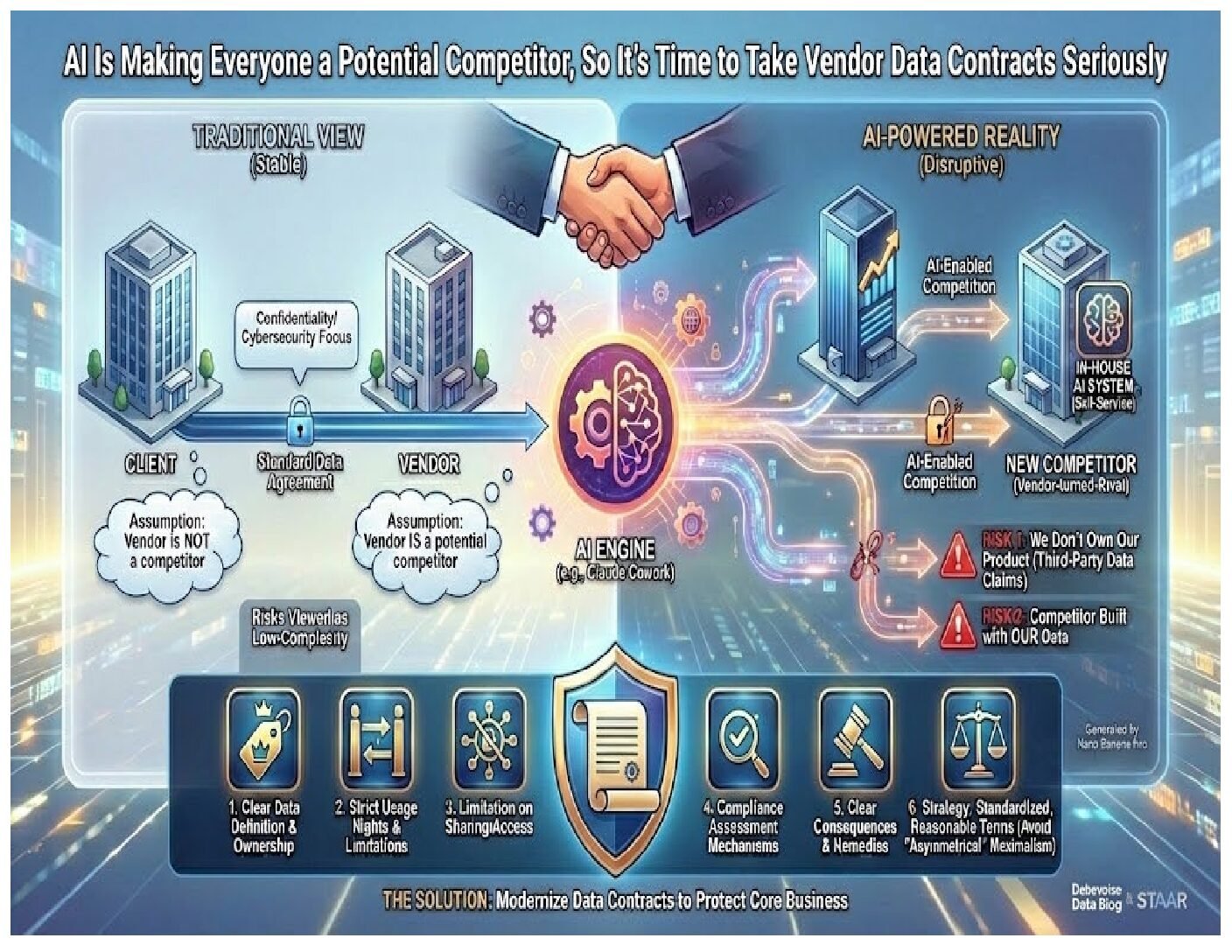
AI is disrupting a core assumption for companies entering routine business agreements: that their counterparty is not, and will not become, a direct competitor. Although non-disclosure terms and data use…

In 2026, companies and individuals conduct many important transactions using images of objects or documents, rather than the original items themselves. For example, individuals authenticate themselves using photos of their…

Why Agentic AI Often Fails and the Enduring Value of Human Judgment (11/4/2025) We’ve been doing a lot of work recently on agentic AI workflows. In this post, we share…
We recognize it’s a little early to make the call for the biggest AI challenge for 2026, but we’re pretty confident that NDAs and other contractual use limitations are about…

We’ve been doing a lot of work recently on agentic AI workflows, so it’s time to share some of our thinking on how to assess their risks and benefits. The…

If you’ve visited the Debevoise Data Blog recently, you will have noticed that before you can read a post, you now have to click through a CAPTCHA. We debated whether…

Until recently, the primary concern over the use of AI for work was confidentiality. But with the widespread availability of enterprise-grade AI tools with strict cybersecurity controls that do not…