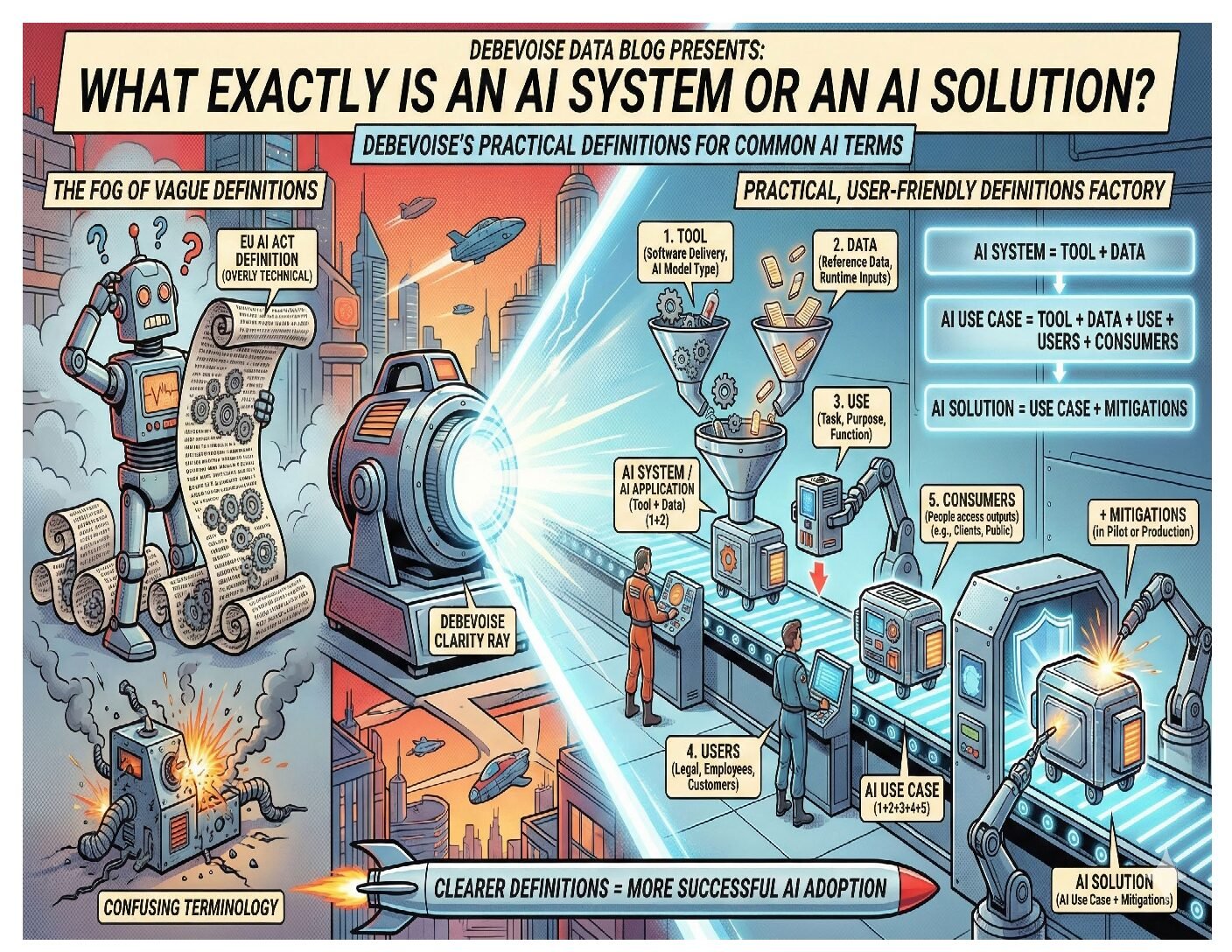
As AI finds its way into nearly every facet of life, companies are striving to increase AI adoption among their employees to enhance efficiency and optimize results. Yet heightened use of these tools also introduces risks, including losing confidentiality over sensitive data, production of inaccurate documents, poor decision-making, and violating legal and contractual obligations. Clear internal communication of AI policies…
Until recently, the primary concern over the use of AI for work was confidentiality. But with the widespread availability of enterprise-grade AI tools with strict cybersecurity controls that do not train on inputs or reference data, many of those concerns have been addressed. Now, the biggest challenge associated with AI adoption is probably quality control, and in particular, a type…
The rapid pace of AI adoption by law firms is resulting in machines doing the work of lawyers, including research, reviewing and summarizing documents, and drafting contracts. Many assume this means that law firms will need fewer lawyers, which may turn out to be true. AI’s potential to revolutionize the practice of radiology has triggered similar scrutiny and concern about…
On Thursday, September 25, 2025 the SEC held a webinar for large firms on Regulation S-P—the first of three compliance outreach events regarding its 2024 adoption of amendments to the regulation. The webinar did not announce any relief from the effective date of the amendments (currently December 3, 2025, for large firms, and June 3, 2026, for smaller entities). The…
In Part 1 of this series, we “vibe coded” a game designed to help train lawyers and professional staff on the firm’s new AI policy using Generative AI. In Part 2, we demonstrate how lawyers can use AI tools to rapidly transcribe and summarize audio recordings from congressional hearings, oral arguments, or depositions, and transform them into a variety of…